



Why Project Coordination Matters in Structural Steel Fabrication
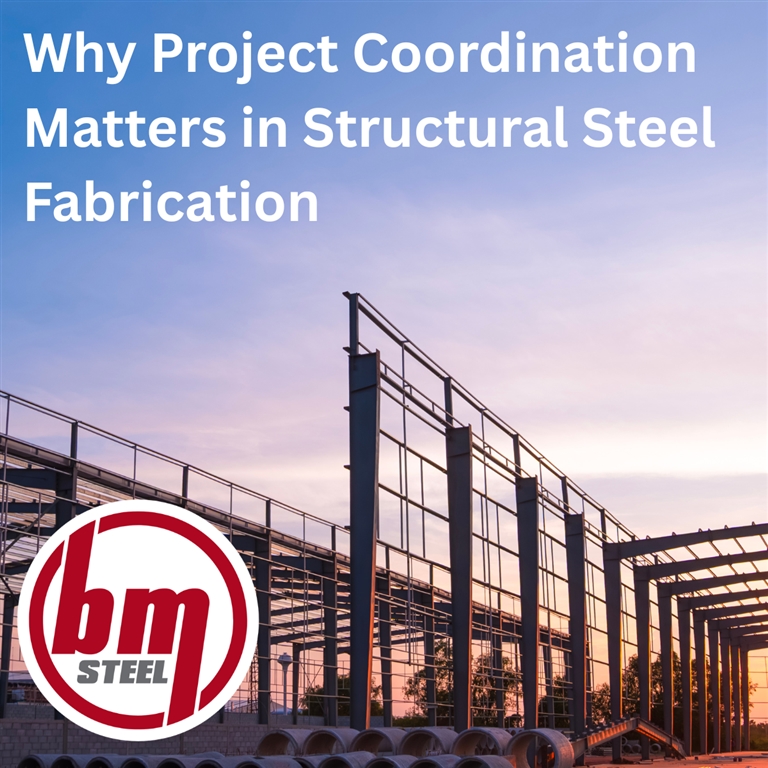
Structural steel fabrication is not only about producing strong and accurate steel components. It also depends on effective coordination between design teams, engineers, contractors, fabricators, and installation crews.
In construction, steelwork often interacts with many other elements of a building. This can include concrete structures, glazing systems, mechanical services, louvre systems, access routes, cladding, balconies, staircases, and architectural finishes. Without careful coordination, even well fabricated steel can create challenges on site.
For this reason, project coordination is a vital part of successful steel fabrication and installation.
Connecting Design Intent With Practical Delivery
Every steel fabrication project begins with a design requirement. This may relate to structural support, access, safety, architectural appearance, service coordination, or long term performance.
The role of the fabrication team is to translate this design intent into practical, buildable steelwork. This requires a clear understanding of drawings, specifications, site conditions, tolerances, connection details, and installation requirements.
Good coordination ensures that all parties are working from the same information. It also helps reduce misunderstandings that could lead to delays, rework, or installation issues.
Early Review Reduces Risk
One of the most effective ways to improve project outcomes is to involve steel fabrication expertise early in the process. Early review can help identify potential issues before fabrication begins.
This may include access restrictions, fixing details, load requirements, finish specifications, sequencing concerns, or clashes with other building elements. Identifying these matters early allows the project team to resolve them before they become costly site problems.
For complex steel configurations, early coordination is especially important. Bespoke architectural metalwork, plant room enclosures, staircases, balconies, and secondary steel supports often require detailed review to ensure smooth integration with the wider building design.
Managing Interfaces With Other Trades
Steelwork rarely exists in isolation. It must often align with concrete, timber, glass, blockwork, mechanical services, roofing systems, cladding, and architectural finishes.
For example, a steel staircase may need to connect accurately with floor levels, balustrades, handrails, and surrounding finishes. A plant room enclosure may need to coordinate with louvres, service access, roof details, and weather protection requirements. A balcony system may need to consider fixing points, drainage, guarding, and facade integration.
Effective coordination helps ensure that these interfaces are understood and managed before steel components arrive on site.
Supporting Efficient Installation
A well coordinated fabrication process leads to more efficient installation. When components are accurately produced, clearly identified, and delivered in line with the site programme, installation teams can work more effectively.
This reduces the likelihood of last minute adjustments and helps maintain progress on site. It also supports safer working conditions by limiting unnecessary cutting, modification, or problem solving during installation.
Efficient installation is particularly important on live construction sites where multiple trades are working to tight deadlines. Steelwork that arrives ready for installation can help protect the wider construction schedule.
Communication Throughout the Project
Strong communication is essential throughout every stage of steel fabrication. This includes design review, material ordering, fabrication, quality checks, delivery planning, and installation.
Clear communication helps ensure that changes are properly managed and that all parties understand the impact of those changes. In construction, design adjustments can affect steel dimensions, fixing details, finishes, delivery timing, and installation sequencing.
A reliable steel fabrication partner provides technical input while maintaining close communication with the wider project team.
Quality Assurance and Compliance
Project coordination also supports quality assurance and compliance. Steelwork must be fabricated and installed in line with relevant standards, project specifications, and safety requirements.
Documentation, inspection processes, and certified systems give contractors and clients confidence that the finished work has been completed to the required standard.
BM Steel Fabrications places strong emphasis on quality, safety, and regulatory alignment. This approach supports dependable project outcomes across residential, commercial, hospitality, education, and public sector projects.
Better Outcomes for Clients and Contractors
When project coordination is handled properly, the benefits are clear. Projects are more likely to run smoothly, installation challenges are reduced, and the finished steelwork is better aligned with the original design intent.
For clients, this means greater confidence in the durability, safety, and appearance of the finished work. For contractors, it means fewer delays, fewer site complications, and better integration with the wider construction programme.
Project coordination is a critical part of structural steel fabrication. It connects design intent with practical delivery, reduces risk, supports efficient installation, and helps ensure that steelwork performs as required.
BM Steel Fabrications brings technical expertise, fabrication experience, and careful coordination to every project. From structural steel and secondary supports to staircases, balconies, plant room enclosures, and bespoke architectural metalwork, the team works to deliver reliable steel solutions from planning through to installation.
Contact BM Steel Fabrications to discuss steel fabrication support for your next project.


.png)