



Why Effective Project Coordination Is Critical to Structural Steel Fabrication
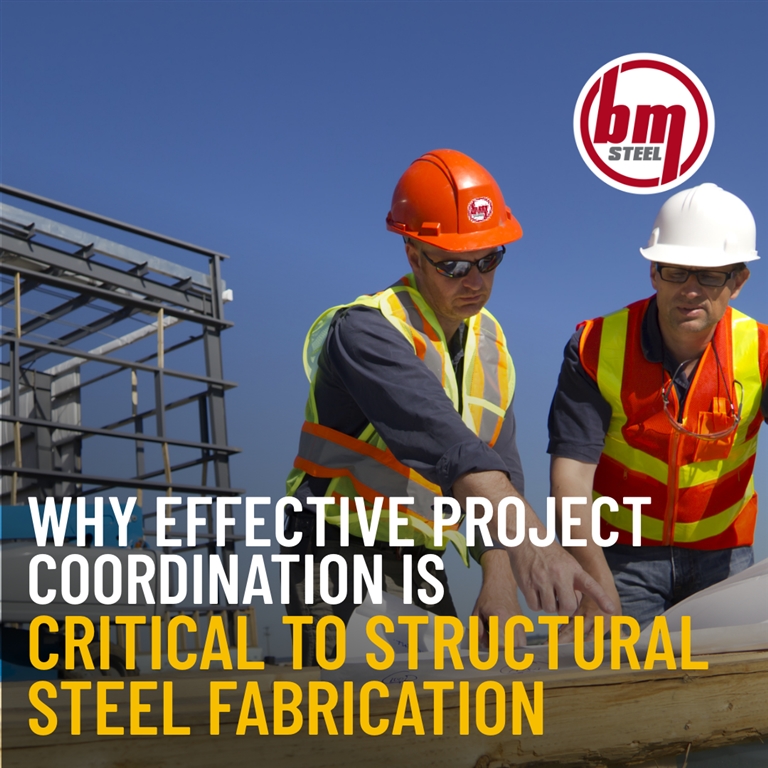
Structural steel fabrication is a critical part of many construction projects. It supports the strength, stability, and performance of buildings across residential, commercial, hospitality, education, and public sector developments. However, successful steelwork is not only about manufacturing individual components. It also depends on careful project coordination.
From the earliest design stages through to fabrication and installation, coordination helps ensure that every element of the steelwork aligns with the wider construction programme. When communication is clear and responsibilities are well managed, projects can progress more efficiently, safely, and accurately.
For contractors, engineers, architects, and site teams, effective coordination can be the difference between a smooth installation and avoidable delays.
Steelwork as Part of the Wider Construction Process
Steel fabrication does not happen in isolation. Structural steelwork must integrate with foundations, walls, floors, roof structures, architectural details, service routes, and other building elements. This means every piece of steel must be considered as part of the overall construction process.
If steelwork is not properly coordinated, issues can arise during installation. Components may conflict with other elements, site conditions may differ from assumptions, or connection details may require adjustment. These issues can affect the programme and create unnecessary pressure on site teams.
Early coordination helps reduce these risks. By reviewing the requirements of the project before fabrication begins, steelwork can be planned with greater accuracy and confidence.
The Importance of Early Communication
Effective coordination begins with communication. Fabricators, engineers, architects, contractors, and site managers all need access to the right information at the right time.
Drawings, specifications, dimensions, and structural requirements must be reviewed carefully before fabrication starts. Any questions or inconsistencies should be identified early so they can be resolved before production and installation.
This approach helps avoid delays later in the project. It also supports better decision making, as the project team can address potential challenges before they affect the construction programme.
For steel fabrication, small details matter. Connection points, tolerances, access requirements, lifting considerations, and installation sequencing all need to be understood in advance.
Reducing Delays on Site
Delays in steelwork can have a significant impact on a project. Structural steel is often required before other trades can progress, meaning any issue with fabrication or installation can affect the wider schedule.
Good project coordination helps reduce the likelihood of delays. When fabrication teams understand the programme, delivery requirements, and installation sequence, steelwork can be prepared and delivered in a way that supports site progress.
This includes planning transport, access, lifting arrangements, and installation timing. It also includes ensuring that steel components arrive on site in the correct order and with the required documentation.
A coordinated approach helps minimise downtime and supports a more efficient installation process.
Ensuring Accurate Fit on Site
One of the most important outcomes of effective coordination is accurate fit. Steel components must be fabricated to suit the approved design and actual site conditions. Even small discrepancies can create challenges during installation.
Accurate measurements, clear drawings, and careful review are essential. Where required, site surveys and ongoing communication with the construction team can help ensure fabrication details reflect the realities of the project.
When steelwork fits correctly first time, installation is faster, safer, and more efficient. It also reduces the need for rework, which can affect both cost and programme.
Coordinating with Other Trades
Structural steel often interacts with many other parts of a building. It may need to support glazing, cladding, mechanical services, plant areas, architectural metalwork, or internal layouts. This means steel fabrication must be coordinated with other trades.
If these interfaces are not considered early, conflicts can arise on site. For example, a steel support may need to allow for service routes, access panels, or architectural finishes. These requirements must be understood before fabrication begins.
A collaborative approach helps ensure that steelwork supports the wider design intent and practical needs of the building. This is especially important on projects with complex layouts or bespoke requirements.
Supporting Compliance and Quality
Project coordination also plays an important role in compliance and quality assurance. Structural steelwork must meet relevant standards and project specifications. This requires clear documentation, controlled processes, and careful inspection.
When coordination is strong, quality requirements are built into the process from the beginning. Fabrication teams can work to approved drawings and specifications, while contractors and engineers can have confidence that the steelwork is being delivered in line with project expectations.
This supports long term structural performance, regulatory alignment, and reliable project outcomes.
BM Steel’s Coordinated Approach
At BM Steel Fabrications, we understand that successful steelwork depends on more than fabrication alone. Our team works closely with clients, contractors, engineers, and design teams to support coordinated delivery from planning through to installation.
We provide structural steel fabrication and bespoke architectural steelwork for a wide range of sectors, with a strong focus on quality, safety, and dependable communication.
By taking a coordinated approach, we help ensure steelwork is manufactured accurately, delivered efficiently, and installed in line with project requirements.
Project coordination is essential in structural steel fabrication. It helps reduce delays, improve accuracy, support safety, and ensure steelwork integrates correctly with the wider construction programme.
For any project involving structural steel, early communication and careful planning are key to achieving the right result.
To speak with an experienced fabrication team about your next project, contact BM Steel Fabrications today.


.png)