



The Role of Steel Fabrications in Modern Construction Projects
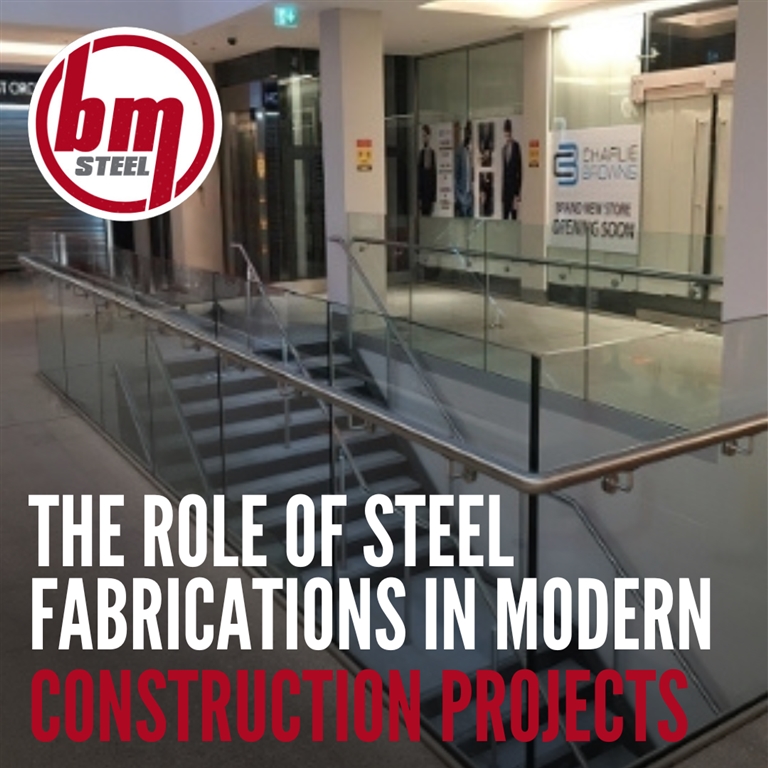
Modern construction demands structures that are strong, adaptable, and efficient to deliver. As building designs become more ambitious and project timelines tighter, steel fabrications continue to play a central role in how construction projects are planned and executed. From commercial developments to industrial facilities, fabricated steel provides the reliability and flexibility needed to meet today’s construction standards.
Supporting Complex and Innovative Designs
Contemporary architecture often pushes the boundaries of what is possible in terms of scale and design. Steel fabrications allow architects and engineers to achieve long spans, open interiors, and striking structural features without compromising stability. Fabricated steel components can be produced to precise specifications, making them ideal for projects where accuracy and consistency are essential.
For construction teams, this precision reduces on-site adjustments and ensures that components fit together as intended. Fabrication off-site also allows complex elements to be produced in controlled conditions, helping maintain quality throughout the build process.
Strength and Performance in Demanding Environments
Steel is valued in construction for its high strength-to-weight ratio, making it suitable for structures that must support heavy loads while remaining efficient in design. Fabricated steel frames provide robust support for buildings of all sizes, from single-storey units to multi-level developments.
In industrial and commercial settings, steel fabrications are particularly important due to their ability to perform reliably under demanding conditions. Whether supporting heavy machinery, accommodating high footfall, or withstanding environmental stresses, fabricated steel structures deliver long-term performance when designed and manufactured correctly.
Efficiency and Speed on Site
Time is a critical factor in modern construction. Steel fabrications help streamline build programmes by enabling faster installation compared to many traditional building materials. Components are fabricated to exact measurements before arriving on site, reducing delays and allowing for more predictable scheduling.
This efficiency benefits developers and contractors alike by minimising downtime and improving coordination between trades. For projects with tight deadlines, the use of fabricated steel can make a significant difference to overall delivery times.
Consistency and Quality Control
Fabrication plays a vital role in ensuring consistency across construction projects. Producing steel components in a controlled environment allows for rigorous quality checks throughout the manufacturing process. This level of oversight helps ensure each beam, column, or connection meets required specifications and standards before installation.
For companies like BM Steel Fabrications, maintaining high fabrication standards is essential to supporting safe, compliant, and reliable construction outcomes. Quality-controlled fabrication contributes to smoother installations and reduces the risk of costly corrections on site.
Adaptability Across Project Types
One of the key advantages of steel fabrications is their versatility. Fabricated steel can be used across a wide range of construction projects, including commercial buildings, industrial units, infrastructure, and bespoke architectural structures. This adaptability allows steel to support both functional and aesthetic requirements within the same project.
Steel fabrications can also be modified or extended more easily than many other structural systems. This makes them well suited to projects where future expansion or changes may be required, offering long-term flexibility for building owners.
Supporting Compliance and Safety Standards
Modern construction is governed by strict safety and compliance requirements. Steel fabrications play an important role in meeting these standards, particularly when manufactured and installed in line with recognised regulations. Accurately fabricated components contribute to structural integrity and help ensure that buildings perform as expected throughout their lifespan.
Working with experienced steel fabricators ensures that components are produced with these considerations in mind, supporting safer construction sites and more reliable finished structures.
The Continued Importance of Steel Fabrications
As construction methods continue to evolve, steel fabrications remain a cornerstone of modern building projects. Their strength, precision, and adaptability make them an essential solution for meeting the demands of today’s construction industry. By delivering high-quality fabricated steel components, companies like BM Steel Fabrications support efficient builds, innovative designs, and durable structures that stand the test of time.


.png)