



Structural Steel vs Architectural Steelwork: What’s the Difference?
Steel is used throughout modern construction, but not every piece of steelwork performs the same role.
Two important areas are structural steelwork and architectural steelwork. While both rely on accurate design, skilled fabrication and careful installation, they serve different purposes within a construction project.
Understanding these differences can help contractors, architects and clients appreciate how individual steel packages contribute to both the performance and appearance of a finished building.
What Is Structural Steelwork?
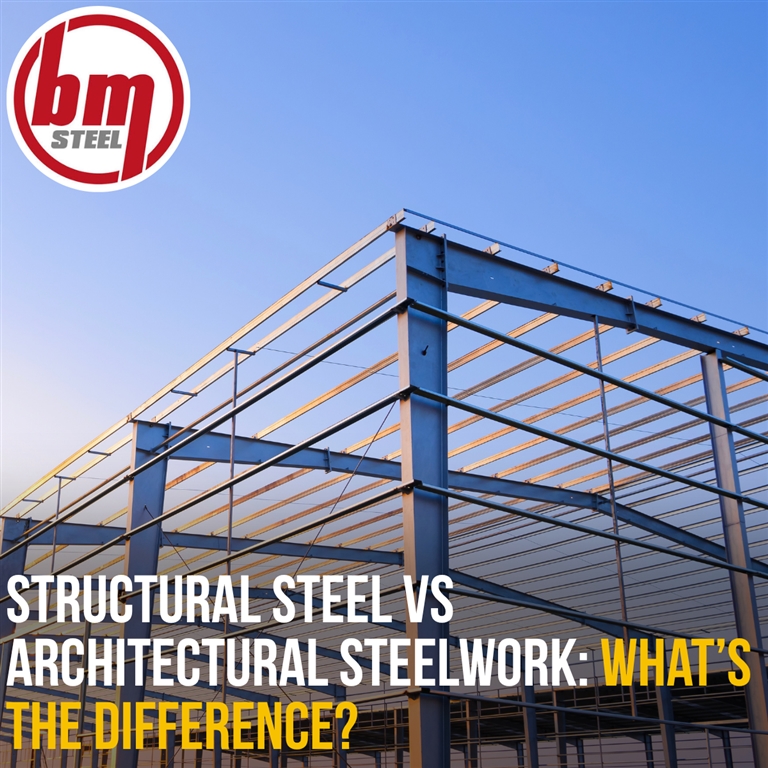
Structural steelwork is primarily used to provide strength, stability and support within a building or structure.
Depending on the project, structural steel can include elements such as beams, columns, frames and other supporting components designed to accommodate specified loads and integrate with the wider building structure.
Accuracy is particularly important.
Connections, dimensions and interfaces must correspond with the project requirements so that individual components can be installed correctly and perform as intended.
Structural steel fabrication therefore requires close coordination with engineering information and the wider construction programme.
What Is Architectural Steelwork?
Architectural steelwork combines practical requirements with the visual and functional needs of a building.
Rather than being used solely as part of the primary supporting structure, architectural steelwork can include elements such as balconies, balustrades, handrails, railings, fire escapes, stairways, walkways, security features and bespoke metalwork.
These components can be highly visible within the finished project, meaning appearance and finish can be particularly important alongside strength, durability and safety.
Steel can also be incorporated alongside materials such as glass, Perspex and wood, providing architects and designers with considerable flexibility when developing building features.
Where Function and Appearance Meet
The distinction between structural and architectural steelwork is not always absolute.
Some steel components need to satisfy both structural and architectural requirements. A staircase, balcony or walkway, for example, may need to support specified loads while also forming a prominent part of the finished building.
This means fabrication can require consideration of both engineering performance and architectural intent.
Accurate manufacturing helps achieve the required dimensions and connections, while attention to details and finishes helps ensure visible steelwork complements the surrounding building.
Bespoke Solutions for Different Projects
One of the key advantages of fabricated steelwork is its adaptability.
Different buildings create different requirements, and steel can be fabricated to suit specific dimensions, configurations and applications.
This is particularly important for architectural metalwork, where standard components may not provide the appearance or functionality required by the project.
Bespoke fabrication can provide solutions for unusual spaces, complex interfaces or distinctive architectural features while maintaining the required practical performance.
Coordination With the Wider Project
Both structural and architectural steelwork interact with other elements of construction.
Structural steel may need to interface with concrete, cladding and other structural elements. Architectural steelwork can interact with glazing, finishes, access routes and other visible building components.
Effective communication between the steel fabricator, architects, engineers and contractors helps ensure these interfaces are considered before installation.
The result is steelwork that is better aligned with both the technical requirements and overall design intent of the project.
Delivering Structural and Architectural Steelwork
Although structural and architectural steelwork perform different roles, both depend on quality fabrication, accurate manufacturing and effective project coordination.
Structural steel provides essential strength and support, while architectural steelwork can combine safety, functionality and visual quality. Together, they demonstrate the versatility of steel across modern construction.
BM Steel Fabrications has experience manufacturing and installing both structural and architectural steel solutions for projects throughout the UK and Ireland.
From structural steel packages to balconies, balustrades, handrails, stairways, walkways and bespoke architectural metalwork, our team works with contractors, architects and engineers to provide steelwork tailored to individual project requirements.
Contact BM Steel Fabrications to discuss structural or architectural steelwork for your next project.