



Offsite Steel Fabrication: A Modern Solution for Construction Success
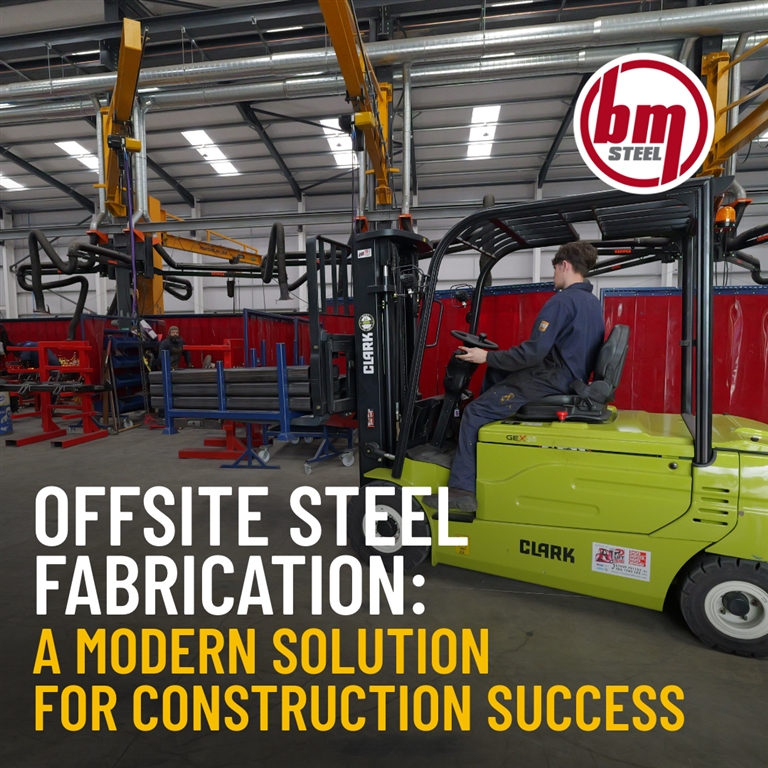
In modern construction, efficiency, accuracy, and coordination are essential to successful project delivery. Every stage of a build depends on careful planning, from design development through to installation on site. For structural steelwork, one of the most effective ways to support this process is through offsite fabrication.
Offsite steel fabrication involves manufacturing steel components in a controlled workshop environment before they are transported to site for installation. This approach allows fabrication teams to work with greater accuracy, consistency, and control, helping construction projects progress more smoothly and reducing the risk of delays once work begins on site.
For contractors, architects, engineers, and project managers, offsite fabrication offers a practical way to improve quality, safety, and programme certainty.
Greater Control Over Quality
One of the main benefits of offsite steel fabrication is the level of control it provides. Fabricating steel in a dedicated workshop allows experienced teams to work in a structured environment with the correct equipment, systems, and inspection processes in place.
Unlike site based works, which can be affected by weather conditions, limited space, or access restrictions, workshop fabrication provides a consistent setting for production. This supports accurate cutting, forming, assembly, and finishing, helping ensure each steel component is manufactured to the required specification.
For structural steelwork, quality is not simply about appearance. It directly affects performance, safety, and long term reliability. A controlled fabrication process helps ensure that the steelwork delivered to site is ready for efficient installation and suitable for its intended role within the wider structure.
Improved Project Efficiency
Construction sites are busy environments where multiple trades often work alongside each other. Delays in one area can quickly affect the wider programme. By completing steel fabrication offsite, a significant portion of the work can be carried out before components are required on site.
This helps reduce the amount of time needed for fabrication related activity during the installation phase. Once the steelwork arrives, the focus can move quickly to positioning, fixing, and integration with the wider build.
For projects with tight timelines, this can be especially valuable. Offsite fabrication allows preparation to begin while other site works are still progressing. This overlap can help contractors manage schedules more effectively and reduce unnecessary downtime.
Safer Working Conditions
Safety is a priority across every construction project. Offsite steel fabrication can contribute to safer working conditions by reducing the amount of complex fabrication work required on site.
Workshop environments are designed for fabrication activity. Teams have access to appropriate machinery, lifting equipment, workstations, and inspection areas. This allows tasks to be completed in a more controlled and organised way.
On site, the focus can then move to planned installation, with steel components arriving prepared and ready for fitting. This can help reduce congestion, limit unnecessary handling, and support safer coordination between trades.
A safer process benefits everyone involved in the project, from fabrication teams to site operatives, contractors, and end users.
Better Coordination Before Installation
Successful steel installation depends on accurate coordination. Steel components must be fabricated to suit the drawings, measurements, engineering requirements, and site conditions. Any issue discovered late in the process can lead to delays, additional costs, or disruption to other trades.
Offsite fabrication encourages early review and planning. Drawings, specifications, connection details, and project requirements can be assessed before manufacturing begins. This helps identify potential issues and resolve them before steelwork reaches site.
For complex projects, this early coordination is particularly important. Structural steel may need to integrate with concrete, masonry, glazing, mechanical services, architectural finishes, or existing structures. A well managed fabrication process helps ensure these requirements are considered at the right stage.
Reduced Disruption on Site
Site disruption can affect programme delivery, safety, access, and productivity. By moving more of the fabrication process into the workshop, offsite fabrication helps reduce the volume of work taking place on site.
This can be particularly beneficial on projects where access is limited, where work is taking place in a live environment, or where multiple trades need to operate in close proximity. With steel components manufactured in advance, installation can be more streamlined and better coordinated around the wider construction programme.
Less disruption also supports cleaner, more organised sites. This can help improve working conditions and reduce pressure on site management teams.
Supporting Consistent Results
Consistency is a key advantage of workshop based steel fabrication. The use of established processes, experienced personnel, and quality control systems helps ensure steelwork is produced to a reliable standard across the full scope of a project.
For contractors and design teams, this consistency provides confidence. It helps ensure the steelwork aligns with structural requirements, installation planning, and the expected finish.
When steel fabrication is managed correctly from the outset, the result is a smoother process from design through to delivery.
Choosing the Right Fabrication Partner
The benefits of offsite fabrication depend on the experience, systems, and technical capability of the fabrication partner. A reliable steel fabrication contractor should understand the importance of accuracy, communication, compliance, and programme coordination.
At BM Steel Fabrications, we support projects across residential, commercial, hospitality, education, and public sectors. Our team delivers structural steel fabrication and bespoke architectural steelwork with a focus on quality, safety, and dependable project delivery.
From early coordination through to fabrication and installation, BM Steel works with clients and project teams to ensure steelwork is manufactured to suit the requirements of each project.
Offsite steel fabrication plays an important role in modern construction. It supports better quality control, safer working practices, improved efficiency, and more coordinated installation.
For projects where accuracy, reliability, and programme certainty matter, working with an experienced fabrication partner can make a significant difference.
To discuss structural steel fabrication for your next project, contact BM Steel Fabrications today.


.png)