


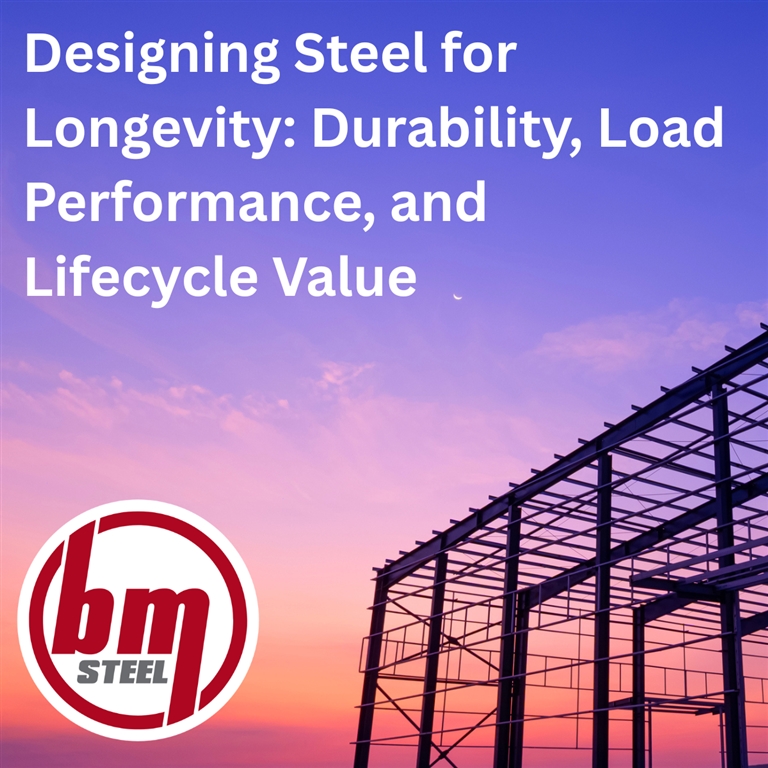
Designing Steel for Longevity: Durability, Load Performance, and Lifecycle Value
In modern construction, structural steel is expected to do far more than simply meet immediate design requirements. It must deliver long term durability, maintain structural integrity under continuous load, and provide value across the full lifecycle of a building.
Designing for longevity is not just a technical consideration. It is a strategic decision that impacts safety, maintenance costs, and overall project performance.
Understanding Load Performance Over Time
Structural steel is engineered to carry significant loads, but long term performance depends on more than initial calculations. Factors such as fatigue, environmental exposure, and usage patterns all influence how a structure performs over time.
Accurate load assessment at the design stage ensures that steel components maintain strength and stability under both static and dynamic conditions. This is particularly important in high traffic environments such as commercial buildings, hotels, and public infrastructure.
By prioritising load bearing performance from the outset, projects benefit from greater reliability and reduced risk of structural issues in the future.
Durability in Real World Conditions
Steel structures are exposed to a range of environmental conditions, from moisture and temperature fluctuations to potential corrosion risks. Designing for durability means selecting the right materials, finishes, and protective treatments to suit the specific application.
Galvanising, protective coatings, and careful detailing all contribute to extending the lifespan of steelwork. These measures help prevent degradation and ensure that structural elements continue to perform as intended.
A durable steel solution is one that remains consistent in performance, even in demanding environments.
The Importance of Quality Fabrication
Longevity is closely linked to the quality of fabrication. Precision manufacturing ensures that each component is produced to exact specifications, reducing stress points and improving overall structural performance.
High standards of workmanship, combined with strict quality control processes, play a critical role in achieving long term durability. Compliance with recognised standards such as EN 1090 and ISO 9001 provides additional assurance that fabrication processes meet industry requirements.
This level of consistency is essential for delivering steelwork that performs reliably over decades.
Lifecycle Value and Cost Efficiency
While initial cost is often a key consideration, the true value of structural steel lies in its lifecycle performance. Durable, well fabricated steel reduces the need for repairs, minimises maintenance, and extends the service life of a building.
This results in lower long term costs and greater return on investment. For developers, contractors, and building owners, designing for longevity is a practical way to achieve both performance and financial efficiency.
A Long Term Approach to Steel Fabrication
At BM Steel, every project is approached with longevity in mind. From design coordination through to fabrication and installation, the focus is on delivering steel solutions that meet the highest standards of durability, safety, and performance.
By combining technical expertise with rigorous quality processes, BM Steel supports projects that are built to last.
If you are planning a project and want to ensure long term performance from your structural steel, contact BM Steel today.


.png)